
Planting and Irrigation
How Do I Convert Lawn Sprinklers to Drip Irrigation?
When a lawn comes out, or a spray zone already waters shrubs and beds, you usually do not need a new system. The UC Master Gardeners of San Joaquin County put it simply: you use the existing supply lines and replace some of the sprinkler heads with drip supply heads.
Is Drip the Right Fit?
Drip, also called microirrigation, is low-pressure, low-flow watering delivered straight to the root zone. The EPA's WaterSense program says it is best suited to plants and trees spaced somewhat apart, as opposed to lawn grass. So drip is for what replaces the lawn, or the beds around it, not for grass itself.
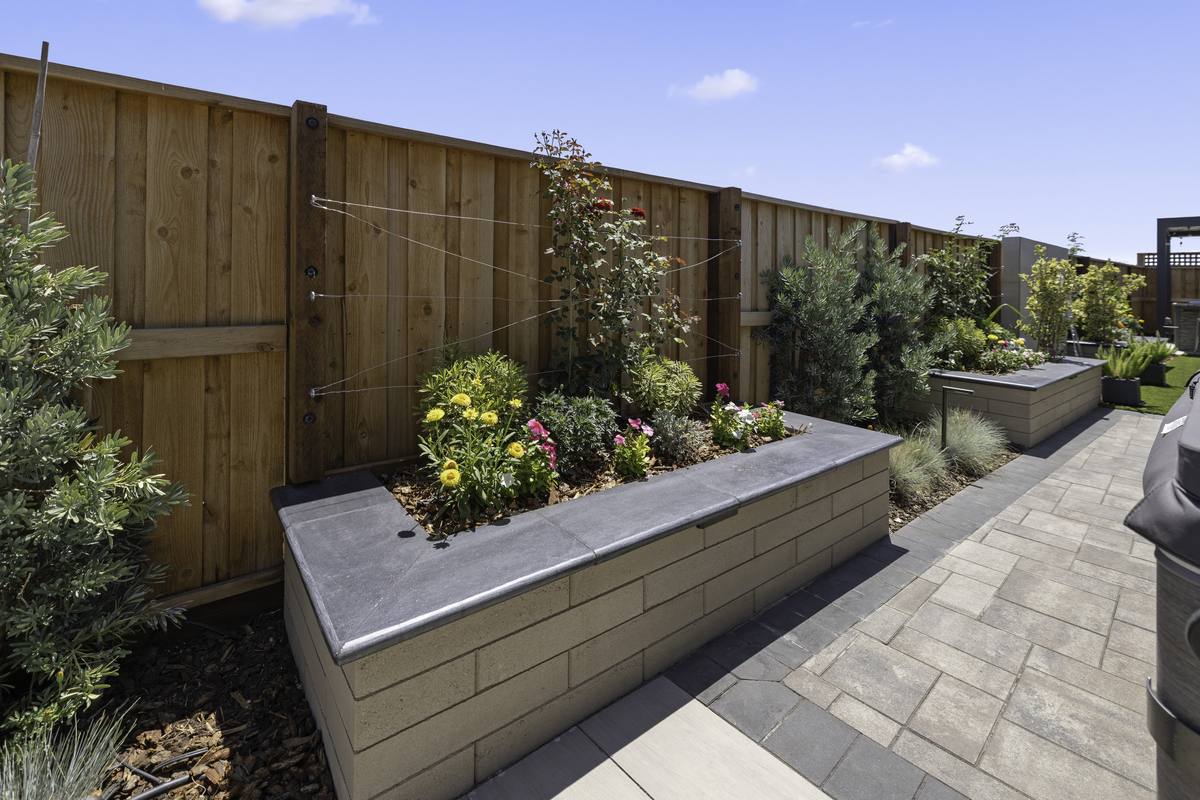
- Good for drip: flower beds, shrubs, trees, vegetable gardens and containers.
- Less water: the EPA's guide says microirrigation uses 20 to 50 percent less water than conventional spray systems.
- Fewer weeds: bare soil and mulch between plants are not watered, which the EPA says reduces weed growth.
Converting a Zone, Step by Step
A how-to sheet on UC ANR's website walks through a conversion with a drip retrofit kit, for homes on city water. In short:
- Pick one riser for the kit. Drip needs a pressure regulator and a filter, and a retrofit kit includes both. Choose a sprinkler away from foot traffic, ideally at the high point of the zone, where you can reach the filter.
- Fit the kit. Remove that sprinkler body, wrap the threads with Teflon tape and screw on the retrofit body.
- Cap the other heads. Remove the remaining sprinkler bodies, tape the threads and cap them. Run water for a few seconds to flush the line before you put the filter back.
- Lay the tubing. Push 1/2-inch drip tubing onto the kit's outlets, build the layout with fittings, and add emitters where the plants are.
- Flush and test. Run water until it comes out clear, cap the end of the line, and check for leaks while the old sprinkler holes are still open.
- Finish. Fill the holes, stake the line down and cover it with about 3 inches of organic mulch.
The sheet has separate instructions for homes on a well.
How Many Emitters, and Where
- Flowers and vegetables: often one emitter per plant, according to the EPA guide.
- Shrubs: one or two emitters each, depending on type, size and age.
- Trees: several emitters or rings of drip line below the edge of the canopy. The Stanislaus County Master Gardeners say to water established trees and shrubs under the drip line once a month in the dry season, and keep the water at least a foot from the trunk.
Keep drip and spray on separate valves. The Department of Water Resources advises against mixing sprinkler types on one line, and the EPA puts turf and shrubs in different zones because their needs differ. If only part of a lawn zone is converting, the new beds need their own valve.
Watering Rules and Rebates
- Modesto: the City's watering schedule says use of drip irrigation is permitted at any time.
- Turlock: drip systems are exempt from the watering schedule unless the City Manager declares Stage 4.
- Modesto's Drip Irrigation Rebate: $0.50 per square foot to convert an existing sprinkler system to drip, up to $1,000 per City of Modesto water account each fiscal year (July 1 to June 30). The City's rebates page says it also covers adding drip to an existing garden bed.
The rebate has rules worth reading before you dig. The application asks for a landscape design sketch and a photo of the area. Do not begin until the pre-inspection is completed and approved. The rebate cannot be more than the cost of the drip products, and you need the original itemized, dated receipt at the post-inspection. Tenants need written approval from the owner or property manager. Funding is limited and first come, first served.
Keeping It Working
- Clean the filter. The UC sheet says to check and clean it at least once a year, and to flush the drip line, preferably in spring before the system goes back on.
- Watch for leaks and clogs. The EPA points to weeds growing into emitters, damage from landscape work or animals, and lines cracked by freezing.
- Water new plants more at first. The Stanislaus Master Gardeners note that even water-wise plants need regular water until established, 2 to 3 years for shrubs.
How We Help
We convert sprinkler zones to drip as part of our planting work: the design, the plant list, the valves and the drip itself. A Green Lion 2D design gives you the landscape sketch the Modesto rebate asks for. Because the rebate is capped at the cost of the drip products and needs an itemized receipt, ask for the drip parts to be listed on their own. See our turf, planting and irrigation work, or read Does Modesto's Turf Rebate Cover Artificial Grass? if the lawn is coming out too.
Sources
- UC ANR (class.ucanr.edu): Sprinkler to Drip Irrigation Conversion Using a Drip Retrofit Kit (PDF)
- UC Master Gardeners of San Joaquin County: Sprinkler Irrigation
- UC Master Gardeners of Stanislaus County: Sustainable Landscaping
- U.S. EPA WaterSense: Saving Water With Microirrigation, A Homeowner Guide (PDF)
- California Department of Water Resources: Residential Landscapes, Water Use Efficiency Ideas (PDF, linked by the City of Modesto)
- City of Modesto: Drip Irrigation Rebate Program (July 1, 2026 to June 30, 2027)
- City of Modesto: Water Rebates
- City of Modesto: Watering Schedule
- City of Turlock: Landscape Watering Days
Checked November 24, 2026. Rules, programs and prices change; confirm with the agency or maker before you start.